
10 Foods High in Protein and Fiber
––by Gary J. Martinez
HEALTH
Protein builds and repairs tissue. Fiber regulates digestion, steadies blood sugar, lowers LDL cholesterol, and feeds beneficial gut bacteria. Most modern diets get enough protein — but not enough fiber. The sweet spot? Foods that deliver both in meaningful amounts.
This is not diet hype. This is nutrient density per serving. Below are ten foods that consistently rank high in both protein and fiber, with realistic serving sizes and practical context. No miracles. Just measurable value.
1) Lentils (Cooked)

Per 1 cup cooked: ~18 g protein | ~15 g fiber
Lentils are one of the most efficient plant foods on the planet. They cook faster than most beans, require no soaking, and deliver serious nutritional density per peso.
From a research standpoint, lentils belong to the pulse family — legumes consistently linked to improved glycemic control, reduced LDL cholesterol, and better satiety. The combination of protein and soluble fiber slows gastric emptying. Translation: you stay full longer, with more stable blood sugar.
They also provide iron, folate, magnesium, and potassium. For people reducing red meat intake, lentils can support protein needs without the saturated fat load.
How to use them intelligently:
* Cook a large batch and refrigerate for 3–4 days.
* Add to salads, soups, or mix with brown rice for a complete amino acid profile.
* Use as a ground meat extender in pasta sauces.
If you’re building a protein-fiber foundation, lentils are your base layer.
2) Chickpeas (Garbanzo Beans)

Per 1 cup cooked: ~14–15 g protein | ~12 g fiber
Chickpeas are versatile and metabolically strategic. Like lentils, they belong to the pulse family, repeatedly studied for cardiovascular and metabolic benefits.
The fiber in chickpeas includes resistant starch — a type that ferments in the colon and supports beneficial gut bacteria. This fermentation produces short-chain fatty acids linked to improved colon health and metabolic regulation.
Protein-wise, chickpeas contribute meaningfully to daily intake, especially in plant-forward diets.
Use cases:
* Blend into hummus instead of processed spreads.
* Roast with olive oil and spices for a crunchy snack.
* Toss into salads to raise both protein and fiber content without adding processed carbs.
If you want satiety without heaviness, chickpeas deliver.
3) Black Beans

Per 1 cup cooked: ~15 g protein | ~15 g fiber
Black beans are nutritionally symmetrical — high in both protein and fiber. They also contain anthocyanins, antioxidant compounds that give them their dark color.
Clinical nutrition research often uses beans in dietary swaps to reduce refined carbohydrates. When black beans replace white rice or processed grains, blood sugar spikes decrease and satiety improves.
The fiber content — about half the recommended daily intake in one cup — makes them one of the most efficient fiber sources available.
Strategic pairing:
Combine with rice, quinoa, or corn to improve amino acid completeness. Add citrus or vinegar to enhance iron absorption.
Beans are not a side dish. They are metabolic infrastructure.
4) Edamame (Young Soybeans)

Per 1 cup shelled: ~17 g protein | ~8 g fiber
Edamame stands out because soy is a complete protein — it contains all essential amino acids in adequate proportions. That matters, especially for plant-based eaters.
Soy foods have been studied extensively. Moderate consumption is associated with improved lipid profiles and support for muscle maintenance when replacing higher saturated-fat proteins.
The fiber content isn’t as high as lentils, but paired with the protein density, edamame becomes a powerful snack or meal component.
Practical tip:
Steam frozen edamame, sprinkle sea salt, and eat straight from the bowl. It beats ultra-processed snacks nutritionally — every time.
5) Tempeh

Per 1 cup (approx. 166 g): ~30 g protein | ~7–8 g fiber
Tempeh is fermented whole soybeans pressed into a dense cake. Because it uses the entire bean, it retains fiber — unlike tofu, which loses most of it during processing.
At roughly 30 grams of protein per cup, tempeh competes with many animal proteins — without cholesterol and with less saturated fat.
Fermentation may improve digestibility and introduce beneficial compounds, although the probiotic survival depends on preparation.
Use it well:
* Marinate and grill.
* Crumble into tacos or pasta sauces.
* Slice thin and pan-sear for sandwiches.
If muscle maintenance is your goal but you want fiber in the same bite, tempeh is efficient.
6) Green Peas

Per 1 cup cooked: ~8–9 g protein | ~8–9 g fiber
Green peas are underrated. They provide a near 1:1 protein-to-fiber ratio, plus vitamin C, vitamin K, and plant compounds.
Frozen peas retain nutrients well and are cost-effective. Their soluble fiber supports cholesterol reduction, while the protein content helps balance carbohydrate-heavy meals.
Smart move:
Add peas to pasta, rice dishes, or soups to increase nutrient density without dramatically altering flavor.
Simple foods often work best.
7) Oats (Rolled Oats)

Per ½ cup dry: ~6–7 g protein | ~4 g fiber
Oats are best known for beta-glucan, a soluble fiber consistently shown to reduce LDL cholesterol when consumed regularly.
While not a protein giant alone, oats contribute meaningfully — especially when combined with milk, yogurt, nuts, or seeds.
Their fiber slows digestion, reducing post-meal glucose spikes.
Upgrade tip:
Add chia seeds or peanut butter to raise both protein and fiber totals.
Breakfast should not spike your blood sugar. Oats help prevent that.
8) Chia Seeds

Per 1 ounce (2 tbsp): ~4–5 g protein | ~10–11 g fiber
Chia seeds are fiber-dense. Much of that fiber is soluble, forming a gel when hydrated — slowing digestion and promoting satiety.
They also provide plant-based omega-3 fatty acids and minerals like calcium and magnesium.
Best use:
* Stir into oatmeal.
* Make overnight chia pudding.
* Sprinkle over yogurt or smoothies.
They’re small — but nutritionally concentrated.
9) Almonds

Per 1 ounce (23 almonds): ~6 g protein | ~3.5 g fiber
Almonds combine protein, fiber, and monounsaturated fats. Research on nut consumption shows improved satiety and modest improvements in lipid profiles when replacing refined snacks.
They are calorie-dense — which means portion control matters.
Use strategically:
Pair almonds with fruit for a balanced snack that stabilizes blood sugar and prolongs fullness.
Nuts are not garnish. They are tools.
10) Quinoa
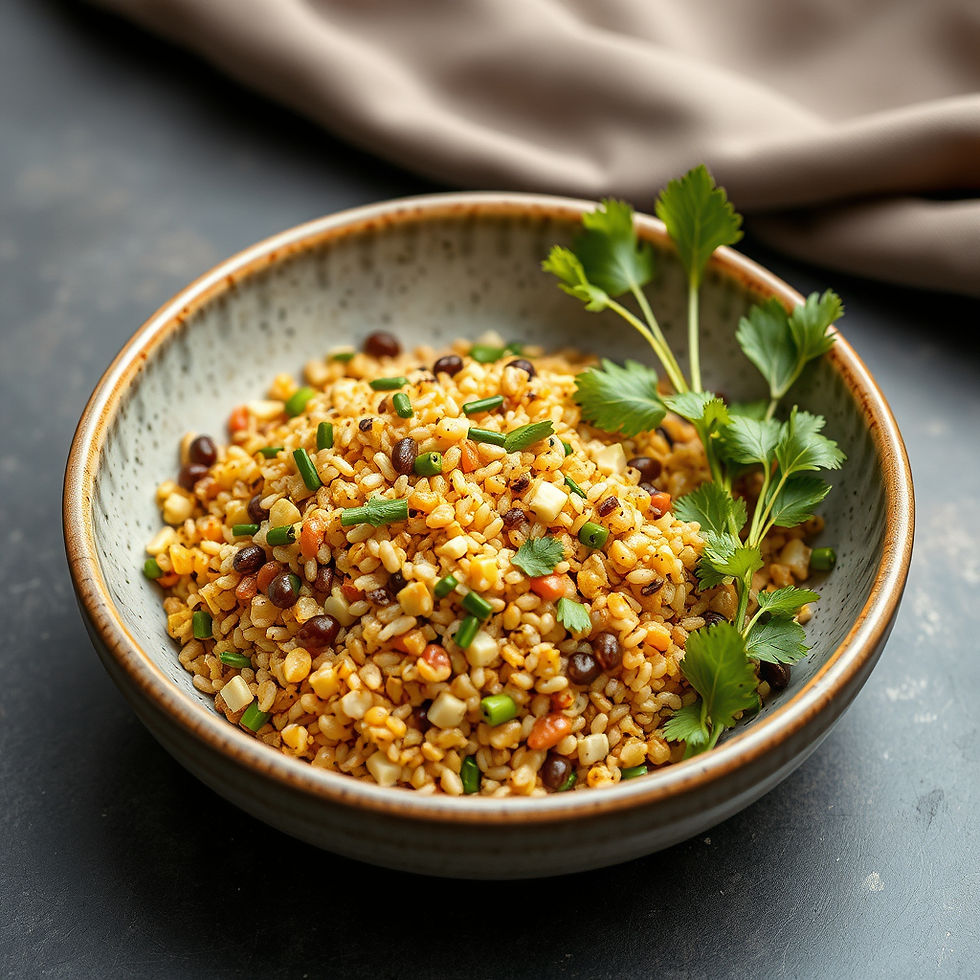
Per 1 cup cooked: ~8 g protein | ~5 g fiber
Quinoa is technically a seed, not a grain. It contains all essential amino acids and provides more protein than most grains.
While not as fiber-dense as beans, it offers more than white rice and serves as a reliable base for balanced meals.
Smart pairing:
Combine quinoa with black beans or chickpeas to elevate total protein and fiber per plate.
Refined grains fill you briefly. Quinoa sustains you longer.

If you examine the data carefully, one pattern becomes clear: pulses dominate. Lentils, chickpeas, black beans, peas — these foods deliver the strongest protein-fiber ratios per serving and per peso. Soy-based foods follow closely, especially tempeh and edamame.
Seeds, nuts, and whole grains act as reinforcements — not replacements — in a high-protein, high-fiber strategy.
For metabolic health, weight management, and digestive function, aiming for 25–38 grams of fiber daily (depending on sex and body size) while maintaining adequate protein intake is evidence-based guidance — not trend marketing.
Build meals around these foods and you improve nutrient density without supplements, without gimmicks, and without extremes.
Food does not need to be exotic to be effective.
It needs to be intentional.


